CRNA recruiting, nationwide.
Certified Registered Nurse Anesthetists are the people we started with. We work with the CRNA and with the group, and we do not send a résumé anywhere until the CRNA says yes.
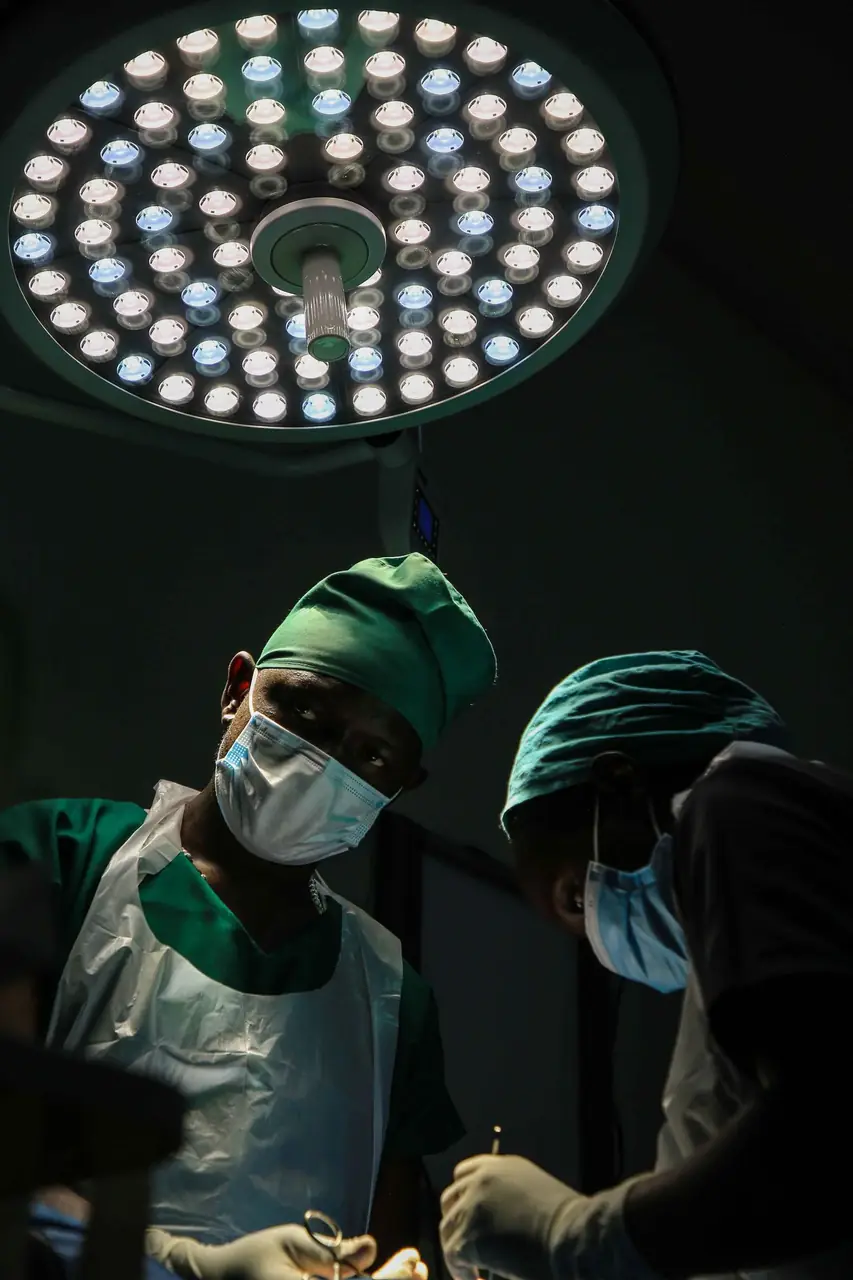
Who we place
A CRNA is an advanced practice nurse who completed a graduate nurse anesthesia program and national certification. The National Board of Certification and Recertification for Nurse Anesthetists handles that certification. If you want the professional definition from the association itself, the American Association of Nurse Anesthesiology publishes it.
We talk with CRNAs who want W-2 work, 1099 work, a full-time seat, a set part-time schedule, or a locum with a real end date. We also talk with the chief CRNA, the practice manager, and the in-house recruiter who is hiring.
Settings
- Hospital
- A hospital anesthesia department or a group that covers one. Call, acuity, and the care-team model belong in the first conversation.
- Ambulatory surgery center
- A center with a weekday schedule, a case mix you can describe, and a clear answer on who stays late when the board runs over.
- Office-based
- Dental offices, endoscopy, plastic surgery, and similar sites where anesthesia comes to the procedure. The setting is part of the brief, not a surprise.
- Locum
- A defined stretch of work, usually to cover a leave or an open seat. Housing, travel, and what happens if the site fills the role early are questions we ask before anyone is introduced.
How it works
- 01
Tell us the work
If you are hiring, we want schedule, call, case mix, and whether the seat is W-2 or 1099. If you are a CRNA, we want the same list from your side, including what you will not do.
- 02
We talk before a name moves
License, certification, and the fit have to be real before we introduce anyone. Your current employer does not get a call from us.
- 03
One introduction at a time
You meet. Candidates do not pay us. Employers pay 20% of first-year base salary when the person starts, not before.