Anesthesiologist recruiting, nationwide.
Anesthesia groups hire physicians and CRNAs. We started with CRNAs, and we recruit anesthesiologists the same way: a clear brief, a short list, and no introduction without a yes.
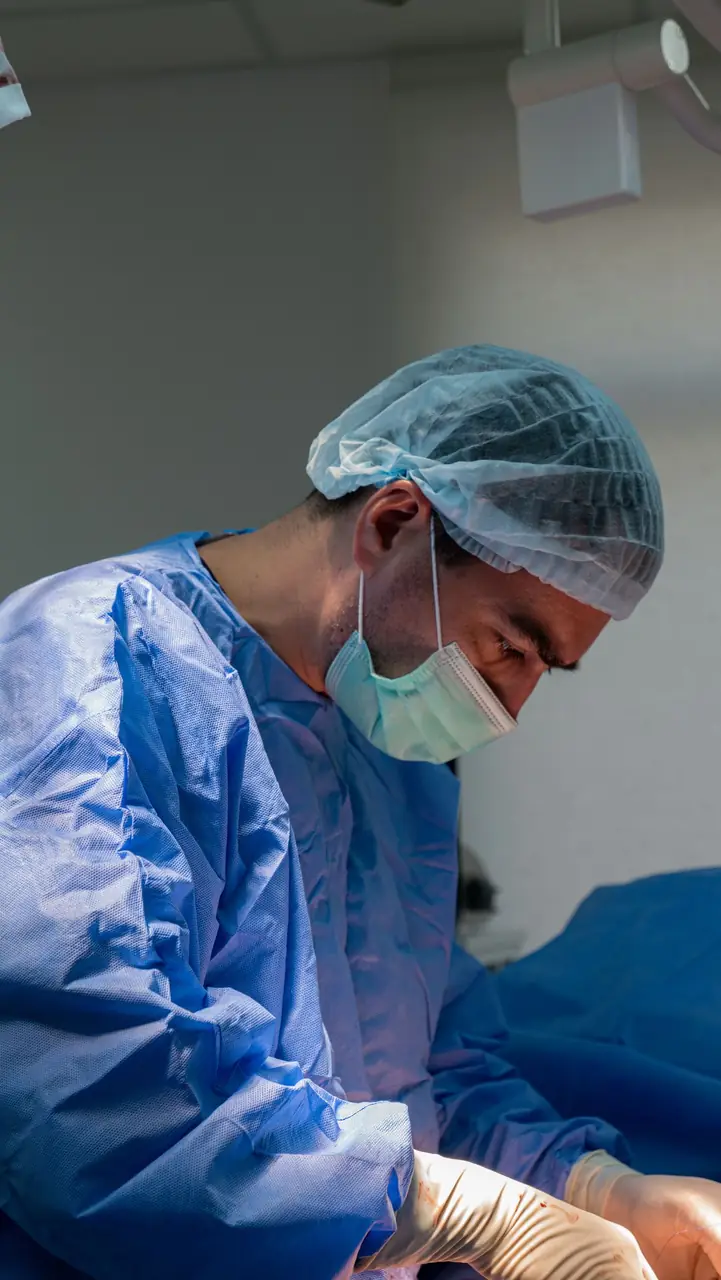
Who we place
An anesthesiologist is a physician. The usual path is medical school, a residency in anesthesiology, and board certification through the American Board of Anesthesiology. Some physicians are board eligible and not yet certified. Tell us where you are. We will not invent a requirement the group did not write down.
We talk with physicians who want a permanent seat or locum coverage, and with groups that need a physician on the team. The supervision model is part of the brief: how the practice actually runs, and what the state allows. We do not guess at that from a job title.
Settings
- Hospital
- Department coverage, call, and the mix of physician and CRNA work. Those three decide whether a physician will stay.
- Ambulatory surgery center
- A center that wants a physician on site or directing care. The case mix and the end of the day matter as much as the rate.
- Office-based
- Office anesthesia where a physician is the right clinician for the procedure and the setting. We ask who else is in the room.
- Locum
- Coverage with an end date. Licensing, credentialing time, housing, and call belong in the offer before anyone travels.
How it works
- 01
Say which seat it is
A group tells us it needs a physician, and why. A physician tells us the model they will actually work in. Medical direction, a mixed team, or locum coverage are different jobs.
- 02
We read the model before we search
Pay structure, call, and how the team is built have to be plain. We will not send a physician into a CRNA search, or the reverse, because the title was loose.
- 03
You meet, then the fee is due at the start
The published offer is 20% of first-year base salary, billed when the person starts. No retainer. If they leave in the first 6 months, we find a replacement at no added fee.